Why Customer Experience Defines Modern Luxury Retail
Luxury Is More Than Premium Products
Luxury is about more than owning an expensive item. Customers also expect a memorable shopping experience. Personalized service, attention to detail, and exclusive experiences make shoppers feel valued and create a stronger emotional connection with the brand.
Cross-Border Shopping Is Growing
International eCommerce has opened luxury shopping to customers around the world. Today, people can browse digital luxury marketplaces and order products from global brands without leaving home. As cross-border shopping continues to grow, customers expect the same high standard of service in every market.
Customer Satisfaction Drives Brand Loyalty
A positive customer experience encourages people to return. When shoppers receive reliable service, clear communication, and consistent support, they are more likely to make repeat purchases and recommend the brand to others. Strong customer satisfaction is one of the biggest drivers of long-term brand loyalty in the luxury retail industry.
Personalization Creates Memorable Luxury Experiences
Individual Customer Preferences
Luxury shoppers expect brands to understand their personal style and preferences. Many retailers now use shopping history, client profiles, and personalized recommendations to make every interaction more relevant. This level of personalization helps customers save time and enjoy a shopping experience that feels unique to them.
Tailored Communication
Good communication is just as important as quality products. Luxury brands that offer local language support and understand cultural differences create a more comfortable experience for international customers. Personalized marketing also feels more meaningful because it reflects each customer's interests instead of using the same message for everyone.
VIP Customer Services
Many luxury retailers reward loyal customers with exclusive services. Private appointments, early access to new collections, and dedicated premium assistance make shoppers feel valued. These experiences strengthen relationships and encourage customers to return.
Building Emotional Brand Connections
Luxury brands succeed when they build lasting relationships instead of focusing only on sales. Customer recognition, strong CRM strategies, and thoughtful clienteling create trust over time. When shoppers feel appreciated, they are more likely to stay connected with the brand and become long-term luxury consumers.
Technology Is Transforming Cross-Border Luxury Shopping
Omnichannel Shopping Experiences
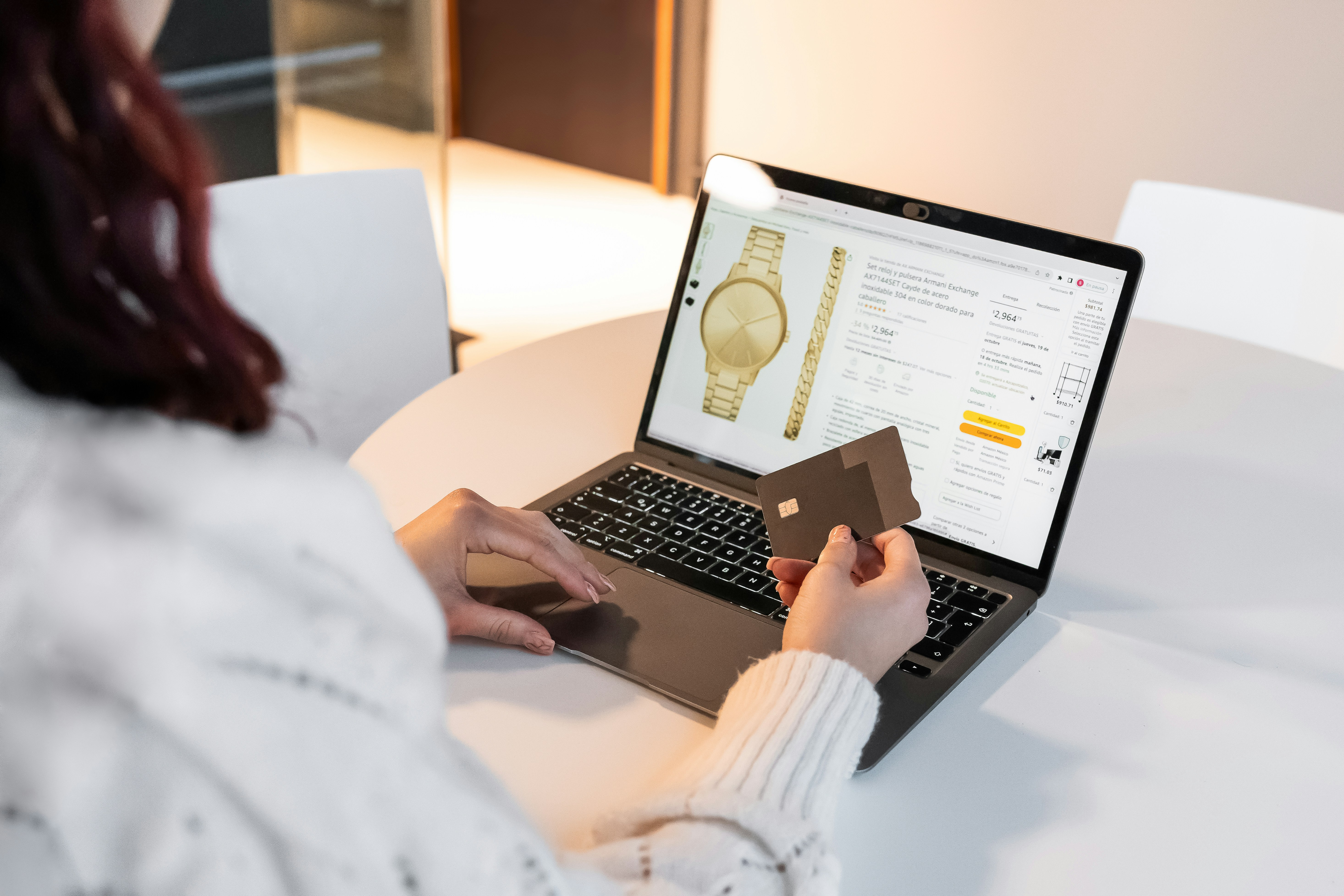
Today's customers move easily between websites, mobile apps, and physical stores. Omnichannel retail connects these channels into one smooth experience. Whether shopping online or visiting a boutique, customers expect the same high level of service and convenience. To explore how digital innovation, AI, global logistics, and omnichannel technology are transforming international fashion shopping, read How Is International Digital Fashion Commerce Transforming Global Shopping Experiences?.
Seamless International Transactions
Buying luxury products from another country should feel simple. Secure payment systems, currency localization, and transparent pricing help customers shop with confidence. Clear information also reduces uncertainty during the checkout process.
Smart Logistics and Delivery
Reliable international logistics are essential for cross-border luxury shopping. Fast shipping, accurate order tracking, and clear customs information help customers know exactly when to expect their purchases. This level of transparency improves trust throughout the delivery process.
Digital Luxury Ecosystems
Many luxury brands are building a luxury lifestyle hub that brings several services together in one connected platform. These digital ecosystems combine shopping, personalized recommendations, exclusive member benefits, customer engagement, and after-sales support across international markets. Powered by artificial intelligence and digital transformation, they create a smoother and more consistent luxury experience wherever customers choose to shop.
Trust and Transparency Strengthen Customer Satisfaction
Authentic Product Verification
Trust is one of the most valuable assets in luxury retail. Customers want to know they are buying genuine products from a trusted source. Product authentication, brand guarantees, and official verification help remove uncertainty and give shoppers confidence in every purchase.
Clear Policies
Luxury shoppers expect clear and reliable information before placing an order. Easy-to-understand shipping details, return policies, and warranty support make the buying process smoother. When customers know what to expect, they feel more comfortable shopping across international markets.
Consistent Customer Service
Excellent customer support should not depend on where a customer lives. Fast responses, multilingual support, and professional assistance help solve questions quickly and create a consistent experience across different countries. Reliable service also strengthens long-term trust.
Transparent Brand Communication
Customers appreciate brands that communicate openly. Clear product information, responsible sourcing, sustainability initiatives, and honest updates help shoppers make informed decisions. Supply chain transparency and corporate social responsibility also show that a luxury brand values quality, ethics, and long-term relationships.
Cultural Understanding Improves International Customer Experiences
Localized Shopping Experiences
Luxury brands perform better when they understand local markets. Adapting to regional preferences, offering local payment methods, and respecting cultural differences make the shopping experience feel more personal and convenient for international customers.
Multilingual Communication
Speaking to customers in their preferred language creates a stronger connection. Native-language support, personalized assistance, and clear product information reduce confusion and help shoppers feel more confident throughout the buying journey.
Respecting Consumer Expectations
Customer expectations are not the same in every country. Regional buying habits, preferred service standards, and local shopping behaviours all influence satisfaction. Brands that recognize these differences are better equipped to deliver a positive experience.
Long-Term Relationship Building
Strong customer relationships are built over time. Trust, loyalty programs, and consistent service encourage repeat purchases and improve customer retention. By combining localization with cross-cultural communication and consumer insights, international retailers can create lasting connections with luxury shoppers around the world.
Best Practices for Delivering Exceptional Cross-Border Luxury Retail
Invest in Digital Innovation
Technology plays a key role in modern luxury shopping. AI recommendations, mobile optimization, and a seamless checkout process make the customer journey faster and more enjoyable. These improvements help shoppers move easily from browsing to purchasing, no matter where they are.
Standardize Premium Service
Customers expect the same high level of service in every market. Consistent product quality, fast customer support, and reliable order fulfillment create a dependable experience that strengthens brand reputation and improves user experience.
Build Long-Term Customer Relationships
Luxury retail is built on lasting relationships. Loyalty programs, personalized experiences, and regular customer engagement make shoppers feel appreciated. These efforts encourage repeat purchases and improve customer retention over time.
Continuously Improve Customer Feedback
Customer feedback helps brands grow. Surveys, reviews, and service evaluations highlight what works well and where improvements are needed. Listening to customers allows luxury retailers to refine their services and deliver better experiences across global markets.
Creating Lasting Value for Global Luxury Shoppers
Cross-border luxury retail succeeds when brands combine personalized service with digital innovation, transparent communication, reliable logistics, and cultural understanding. Delivering the same premium experience across international markets builds customer satisfaction, encourages repeat purchases, and strengthens long-term trust. As global shopping continues to evolve, brands that consistently meet customer expectations are more likely to build lasting relationships and maintain a strong position in the luxury market.
Frequently Asked Questions
What is cross-border luxury retail?
Cross-border luxury retail refers to the sale of premium products to customers in different countries through online platforms, physical boutiques, or a combination of both.
Why is personalization important in luxury shopping?
Personalization helps customers receive relevant recommendations, tailored services, and a shopping experience that matches their individual preferences, making them feel more valued.
How does technology improve international luxury retail experiences?
Technology supports secure payments, mobile shopping, personalized recommendations, order tracking, and seamless communication, creating a smoother experience for global customers.
What factors increase customer trust in luxury brands?
Product authenticity, transparent policies, consistent customer service, honest communication, and reliable after-sales support all help build customer trust.
Why is cultural localization important for global retailers?
Localization allows brands to meet regional preferences, provide local language support, and offer familiar payment methods, making shopping more comfortable for international customers.
How do transparent policies improve customer satisfaction?
Clear information about shipping, returns, warranties, and pricing reduces uncertainty and helps customers shop with greater confidence.
What role does after-sales service play in luxury retail success?
After-sales service strengthens customer relationships by providing ongoing support, resolving issues quickly, and encouraging long-term loyalty after the purchase is complete.